
How Drywall Panels Are Measured, Hung, Taped, and Finished for Smooth Walls
Understanding the basics of sheetrock installation starts with knowing the main steps: measure the space, hang the panels, tape the seams, apply joint compound, and sand the surface smooth. When done right, you get flat, clean walls ready for paint. Whether you are finishing a basement or updating one room, learning how this process works helps you plan better and avoid costly mistakes.
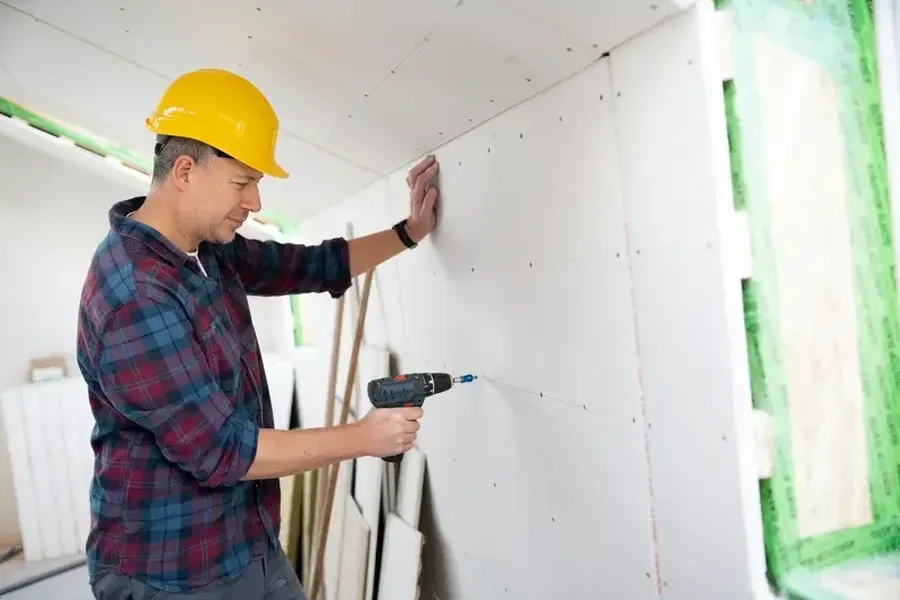
What You Need Before Starting
Before any sheetrock installation begins, gather the right tools and materials. Having everything ready saves time and reduces stress. You also want to check that framing, wiring, and insulation are complete before covering the walls.
- Drywall panels sized for your space
- Drywall screws or nails
- Drill or screw gun
- Utility knife
- Tape measure and drywall square
- Joint tape
- Joint compound
- Drywall knives in different sizes
- Sanding block or pole sander
It is also smart to clear the area and protect floors. Drywall dust spreads fast and can be hard to clean.
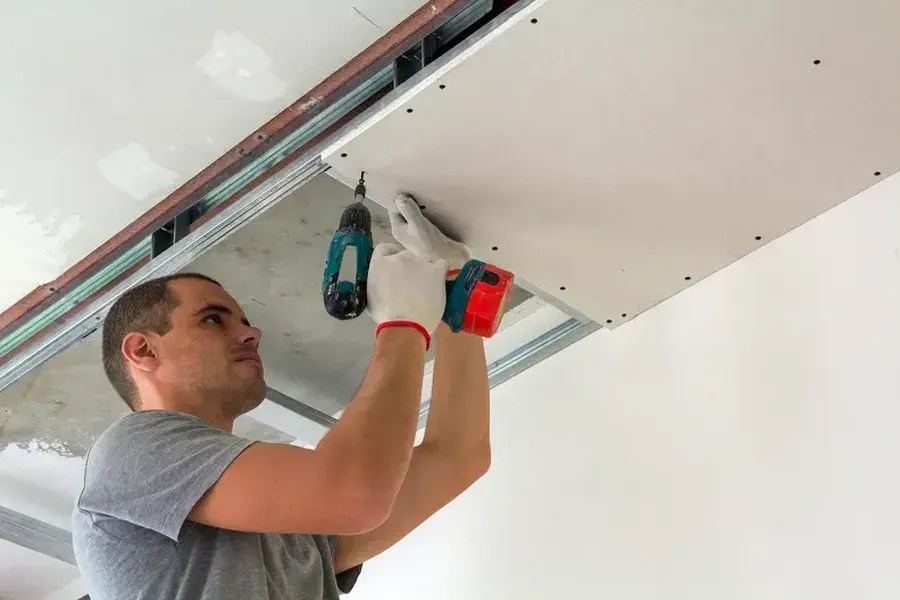
Step-by-Step Process
Sheetrock installation follows a clear order. Skipping steps often leads to visible seams or cracks later.
- Measure and cut panels. Measure the wall or ceiling carefully. Mark your lines and cut with a utility knife. Snap the board along the cut for a clean break.
- Hang the drywall. Start at the top and work your way down. Screw panels into wall studs every 12 to 16 inches.
- Stagger the seams. Avoid lining up seams in a straight line. This makes the wall stronger and reduces cracks.
- Apply joint tape. Place tape over all seams and inside corners.
- Add joint compound. Spread a thin layer over seams and screw heads. Let it dry fully.
- Sand and repeat. Sand lightly, then apply a second and third coat as needed. Each coat should be smooth and even.
After sanding the final coat, wipe away dust before priming and painting.
Common Mistakes to Avoid
Many problems with sheetrock installation come from rushing. Even small errors can show through paint.
- Using too few screws, which causes loose panels
- Driving screws too deep and breaking the paper surface
- Applying thick coats of joint compound
- Not letting compound dry fully before sanding
- Skipping primer before paint
Another common issue is poor planning around outlets and windows. Always measure and cut openings carefully. Large gaps make finishing much harder.
When to Call a Professional
Small patch jobs are manageable for many homeowners. But larger jobs can become overwhelming. Hanging drywall on ceilings, working in high areas, or finishing large open rooms takes skill and experience.
A professional handles framing checks, panel layout, and smooth finishing as part of their service. If you see uneven studs, major wall damage, or large remodeling plans, expert help makes sense. A trained installer can also match existing textures so repairs blend in.
Final Thoughts and Help for Your Project
If you are planning sheetrock installation in Wichita Falls, TX, I can help you get smooth, strong walls without the stress. At Jim and Sons Home Repairs, I handle every step myself, from hanging panels to final sanding, so the finish looks clean and ready for paint. Call me at (940) 209-6220 to talk about your project and schedule a time that works for you.