
How to Keep Your Home Safe Before, During, and After Interior Painting
interior painting safety for homes starts with planning, the right tools, and simple habits that protect your air, floors, and family. Safe painting means using low-odor products, keeping rooms ventilated, covering surfaces, and handling ladders and tools with care. If you prepare the space well and take your time, most painting projects can be done safely and smoothly.
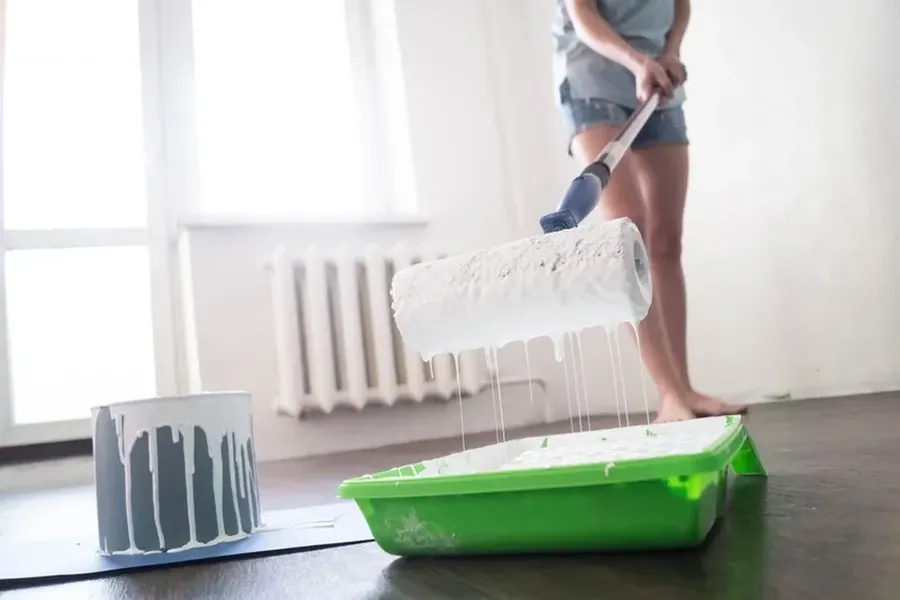
What You Need Before Starting
Before you open a paint can, gather supplies that help prevent mess and injury. Good prep keeps your project under control.
- Drop cloths to cover floors and furniture
- Painter’s tape for trim and outlets
- Gloves and safety glasses
- A stable ladder with non-slip feet
- Fans or open windows for airflow
- Low-VOC or zero-VOC paint
If you are hiring interior painting services, ask what products they use and how they protect your home. A professional crew should explain their safety steps clearly.
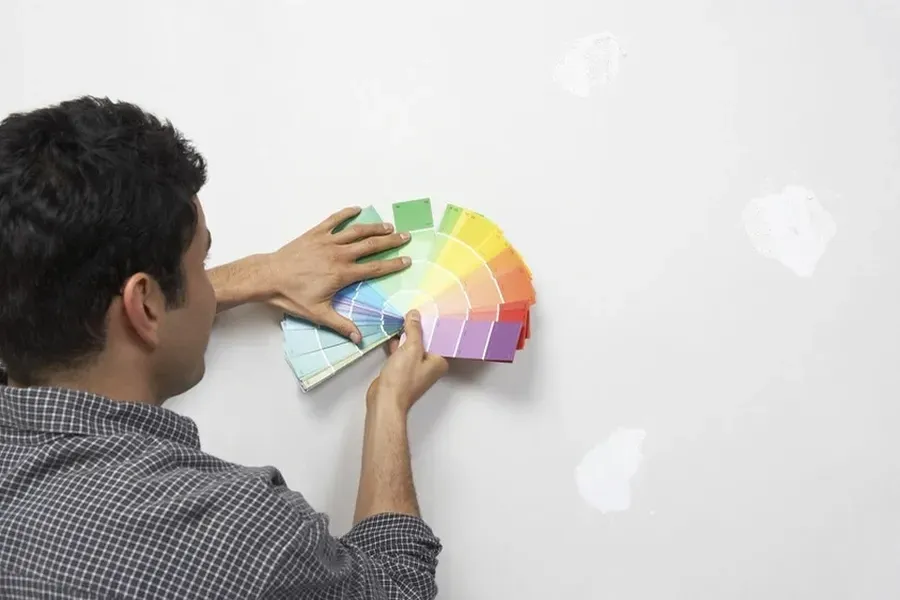
Step-by-Step Process for Safe Painting
Follow these steps to reduce risks and keep your home clean.
- Move furniture out or place it in the center of the room.
- Cover floors and remaining items with drop cloths.
- Turn off power when removing outlet covers.
- Open windows and place fans to push fumes outside.
- Stir paint slowly to avoid splashes.
- Use steady strokes and do not overload your brush or roller.
- Let paint dry fully before closing windows or moving items back.
Good airflow is key. Even paints labeled safe can produce fumes. Proper ventilation makes the space more comfortable and supports better indoor air quality, which is part of strong home improvement practices.
Common Mistakes to Avoid
Many safety problems happen because of small shortcuts. Avoid these common errors.
- Skipping surface cleaning before painting
- Using a wobbly chair instead of a ladder
- Painting in a closed room with no airflow
- Leaving paint cans open and unattended
- Letting children or pets enter the work area
Another mistake is rushing. Thick coats take longer to dry and can trap fumes inside the paint layer. Thin, even coats are safer and look better.
When to Call a Professional
Some projects carry more risk. High ceilings, stairwells, or older homes with peeling paint may require extra steps. If your home was built before 1978, old paint could contain lead. Disturbing it without proper tools can spread harmful dust.
Professional interior painting services have the equipment and training for these cases. They know how to set up containment areas, use safe sanding tools, and handle waste the right way. Hiring a pro can lower stress and reduce the chance of accidents.
Extra Safety Tips for Families
If you have kids, pets, or anyone sensitive to smells, plan ahead. Paint one room at a time. Let it dry fully before allowing regular use. Store brushes and rollers in sealed bags between coats.
Label paint cans clearly. Keep them out of reach and away from heat sources. After the job, seal cans tightly and store them in a cool, dry space. Many interior painting services also offer cleanup and disposal help if you do not want to handle leftover materials yourself.
Final Thoughts and Local Help
If you want safe, clean results, I can help guide you through the process or handle the project from start to finish in Wichita Falls, TX. At Jim and Sons Home Repairs, I focus on careful prep, proper ventilation, and respect for your living space. Call (940) 209-6220 and I will walk you through the safest way to update your home with confidence.